Souk Culture: Morocco’s Market Magic Revealed
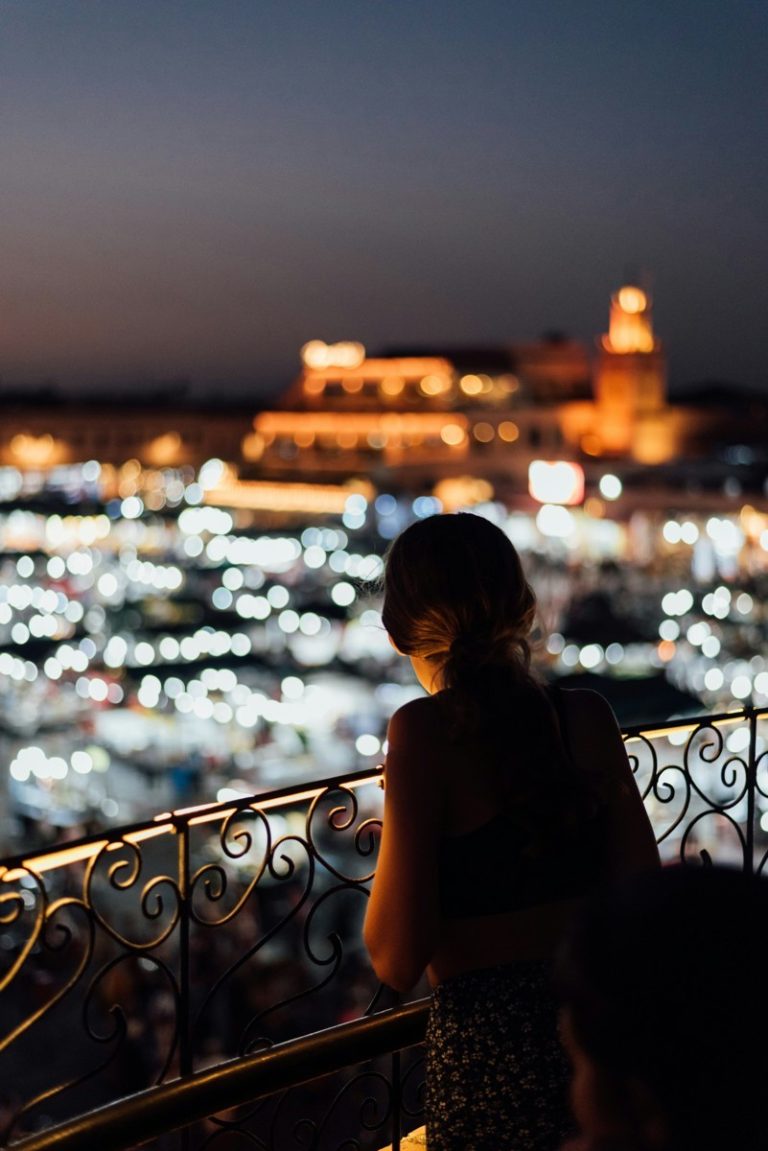
Souk culture in Morocco hit me like a wall of sound the first time I stepped into Marrakech’s medina at age seven—my grandmother’s firm grip on my hand, the smell of leather mixing with mint tea and something I couldn’t quite name (later learned it was amber resin), and the overwhelming sensation that I’d entered a living, breathing organism rather than just a marketplace.
Now, nearly forty years later, I realize that initial childhood confusion was actually clarity. Because Moroccan souks aren’t simply places where commerce happens; they’re where the heartbeat of our culture pulses strongest, where negotiations become dance, and where the line between merchant and friend blurs in ways that confuse tourists but feel natural to anyone who grew up here.
The thing about understanding Moroccan market traditions is that you can’t separate the buying from the being. Western visitors often approach souk shopping as a transaction—identify item, assess quality, determine fair price, complete purchase. But that’s like trying to understand jazz by reading sheet music. You’re missing the improvisation, the call-and-response, and the moments where everything clicks into rhythm.
The Living Architecture of Moroccan Souks
Walk into any traditional souk, and you’ll notice the organization isn’t random, though it might seem chaotic at first glance. Centuries ago, craftsmen organized themselves into guilds—the tanneries in one quarter (always downwind, trust me on this), the metalworkers where their hammering wouldn’t disturb fabric merchants, and the spice sellers near the main entrances where their aromatic wares could lure customers deeper into the labyrinth.
This spatial logic still exists, though it’s evolved. In Fes el-Bali, the woodworkers’ souk remains in roughly the same location it occupied in the 13th century. The traditional bargaining etiquette you’ll encounter there carries echoes of interactions that happened before my great-great-great-grandfather was born, which is both humbling and somehow comforting.
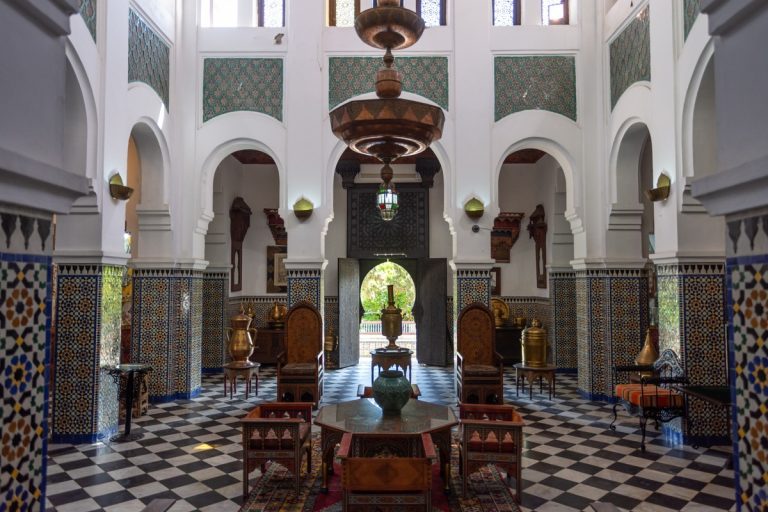
But here’s what the guidebooks won’t tell you: the architecture itself participates in the negotiation. Those narrow, covered passages? They create intimacy, force proximity, and make walking away slightly more difficult (though not impossible—and merchants know this). The dappled light filtering through wooden lattices creates a sense of timelessness and disconnects you from your modern watch-checking impulse. Even the temperature—cooler than the streets outside but warmer than air-conditioned shops—sits in this middle zone that somehow makes you more amenable to lingering.
I once interviewed a carpet seller in Marrakech’s Souk Semmarine who told me his father used to say, “The souk teaches before the mouth speaks.” He meant that the physical space conditions visitors before a single word of bargaining begins. Smart vendors understand this instinctively, though they’d probably never articulate it that way.
Decoding the Dance: How Bargaining Actually Works
Let me be direct about something that confuses most visitors: bargaining in Moroccan souks isn’t about winning or losing. It’s a social ritual with prescribed steps, like a wedding or a funeral, and violating the rhythm feels as jarring to locals as showing up to a formal dinner in beachwear.
The opening price a merchant quotes isn’t meant to insult your intelligence—it’s an invitation to dance. When Ahmed (a brass merchant I’ve known for twenty years) quotes 800 dirhams for a lamp, he’s not trying to scam anyone. He’s opening the conversation. He knows you know it’s not the final price. You know he knows you know. This shared understanding is the foundation everything else builds on.
Here’s the pattern, though it has variations: The merchant states the price. You express interest but concern about cost (not outrage—that’s crucial). The merchant explains quality, provenance, and uniqueness. You acknowledge these factors while mentioning budget constraints or similar items seen elsewhere. The merchant reduces the price moderately. You counter lower. Several rounds follow, often interrupted by mint tea, sometimes by genuine conversation about families, hometowns, or football results.
The sweet spot usually lands somewhere between 40% and 60% of the opening price, depending on the item and location. But—and this matters—reaching that number isn’t the point. The journey is there.
My husband (who’s American) once got frustrated watching me spend twenty minutes negotiating over a 50-dirham difference in a pottery purchase. “Just pay it,” he whispered. But he was missing that those twenty minutes involved the vendor showing us how the pieces were made, his daughter serving us tea, discussions about our kids’ schools, and a genuine connection forming. The 50 dirhams wasn’t the currency being exchanged—trust was.
The Unwritten Rules Nobody Tells Tourists
Souk shopping tips you’ll actually use: Never touch merchandise aggressively or dismissively. In Moroccan culture, craftspeople pour intention into their work—treating their goods roughly disrespects not just the object but the maker. I’ve seen merchants politely refuse sales to tourists who handled items carelessly, even after agreeing on a price.
Don’t bargain for something you have zero intention of buying. This isn’t window-shopping culture. Once you engage seriously in negotiation, there’s a social contract forming. Walking away after extended bargaining—especially if you’ve shared tea—feels like a betrayal of that nascent relationship. (Brief price inquiries are fine; fifteen-minute negotiations you never intended to complete aren’t.)
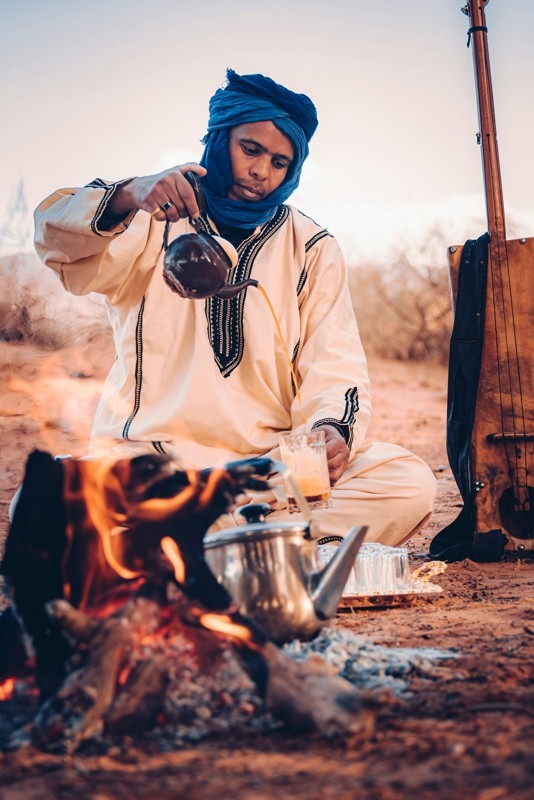
The tea thing deserves explanation. When a merchant offers tea, he’s shifting the interaction from commercial to social. You’re not obligated to buy just because you accepted tea, despite what some tourists fear. But accepting tea while having absolutely no purchase intention would be using hospitality dishonestly. The tea invitation usually signals that the merchant senses potential for a sale and wants to create space for it to unfold naturally.
Marketplace etiquette in Morocco includes understanding that “final price” isn’t always final. If you walk away and the merchant calls you back with a lower offer, that’s part of the dance. But if you walk away and he doesn’t call you back? You either misjudged the item’s value or the merchant sensed you weren’t serious. Both are learning moments.
Here’s something I find fascinating: prices often vary based on language and behavior more than appearance. A tourist speaking broken Arabic might get better initial prices than a tourist in designer clothes speaking English. Why? Because the language attempt signals respect, interest in culture, and humility. These qualities matter more in souk culture than wealth signals do.
Reading the Room (or Rather, the Stall)
Successful souk navigation requires literacy in subtle signals. Empty stalls with bored vendors? Different dynamic than busy shops with multiple customers. The former might bargain more aggressively because they need the sale; the latter has social proof working in his favor and less incentive to discount deeply.
Time of day matters, though not how you’d think. Common wisdom says shop in the late afternoon when merchants want to make at least one sale before closing. But I’ve found early morning works better—vendors are fresh, optimistic, and more patient with the bargaining process. That late afternoon desperation? Sometimes it creates pressure that makes the interaction less enjoyable, even if you save a few dirhams.
Season affects everything. During low tourism periods (summer heat, for instance), merchants have more time and sometimes more flexibility on prices. But they’re also preserving inventory for high season, so the dynamic gets complicated. Peak season brings crowds, energy, and merchants who know they’ll make plenty of sales—your individual negotiation carries less weight.
Watch how locals shop. Moroccans in souks typically know their vendors, have established relationships, and skip the elaborate bargaining dance because they’ve already negotiated it once. But even locals engage in shortened versions of the ritual—it’s not that different from how Americans might chat with their regular barista while ordering the usual.
The Merchandise Itself: What You’re Actually Buying
Understanding Moroccan souk goods requires distinguishing between tourist items and local goods. That “ancient” carpet? Probably made last year (possibly last month). Those “handmade” leather bags? Might be factory-produced in Casa and trucked in. I’m not saying this to be cynical—both can be quality items—but accuracy about provenance matters for fair pricing.
Genuinely handcrafted items reveal themselves through imperfections. Machine-made carpets have perfect symmetry; hand-knotted ones show slight variations in tension and pattern. Leather that’s actually been through the traditional tanning process (like in Fes’s Chouara tannery) smells distinctly different from chrome-tanned leather. Silver jewelry marked “925” might actually be nickel plated.
Here’s where having local knowledge helps: I can spot Chinese-manufactured “Moroccan” lamps from thirty paces. The metalwork lacks depth, the glass seems too uniform, and the electrical components feel cheap. But tourists can’t always make these distinctions, which is why establishing trust with vendors matters so much.
Ask about origins. Good merchants tell the truth (or at least interesting versions of it). A Marrakech vendor once showed me babouches (traditional slippers) and acknowledged, “These? Factory-made in Salé, good quality, good price. Those? My uncle makes them in his workshop in the medina; it takes three times longer, costs more, and lasts forever. You choose what matters to you.” That honesty earned my business and my loyalty.
The Social Contract: More Than Buying and Selling
What tourists often miss is that Moroccan marketplace interactions exist within broader social frameworks. Merchants aren’t just vendors—they’re neighborhood fixtures, information sources, and community members who witness daily life. The man selling spices in Souk el Attarine probably knows whose daughter got married last week, which baker makes the best khobz, and when the community meeting about street repairs is happening.
This means your interaction with him isn’t isolated. How you treat him, how you bargain, whether you show respect—it all gets observed and remembered. Not in a threatening way, but in the way small communities function everywhere. Be rude to a vendor, and word spreads; be kind, and that spreads too.
I’ve seen this play out repeatedly. A tourist who bought thoughtfully from one vendor gets steered toward quality goods at fair prices by others. A tourist who screamed about “scammers” finds subsequent interactions chillier and starting prices higher. The souk has its own social media network, older and more efficient than Instagram.
The cultural significance of souks extends into religious and civic life too. Markets close for prayer times (mostly—some stay open, but you’ll notice the energy shift). Certain religious holidays transform souk dynamics entirely. Ramadan creates its own rhythm—dead during fasting hours, explosive after sunset. Understanding these patterns helps you navigate not just the physical space but the cultural moment you’re entering.
What’s Changed (And What Hasn’t)
Modern Morocco means souks exist in weird tension between preservation and evolution. Some traditionalists lament how tourism has changed market culture—higher prices, less authenticity, and more aggressive selling tactics. They’re not entirely wrong. The leather merchant in Fes who spends twenty minutes explaining his craft before mentioning price is increasingly rare; the aggressive vendor who pulls tourists into his shop by the arm is increasingly common (though still not the majority, despite what some reviews suggest).
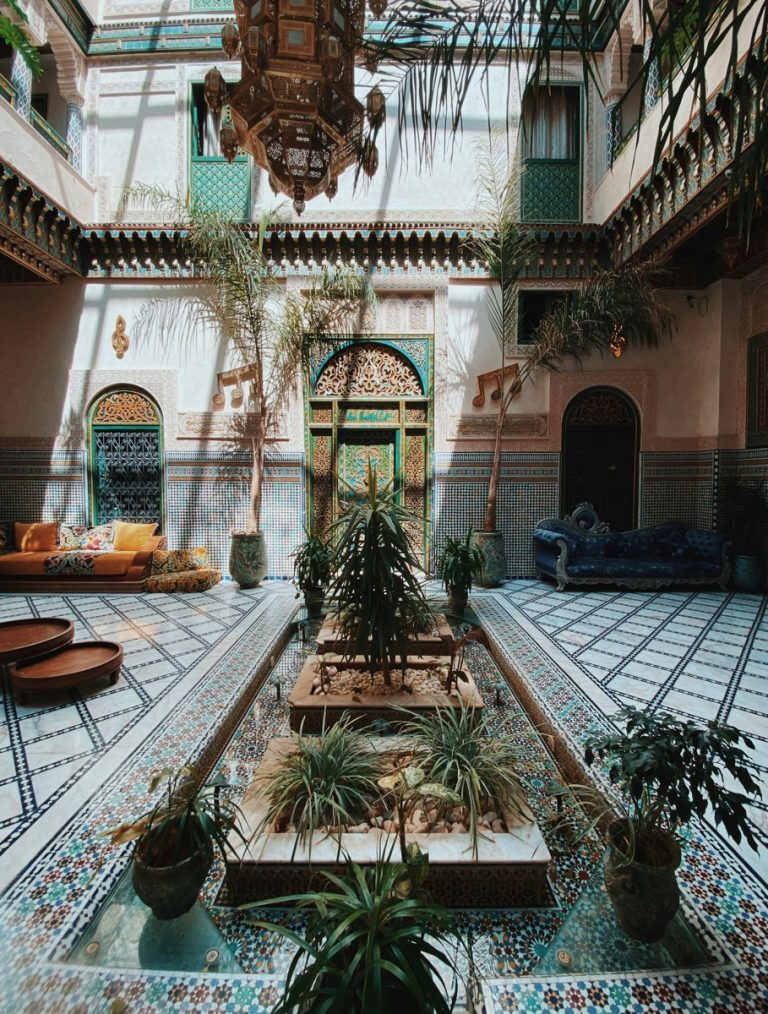
But souks adapt because they’ve always adapted. Those beautiful tiled courtyards where merchants now serve tourists mint tea? They were 19th-century adaptations to increasing trade. The French colonial period brought its own changes. Independence brought others. Tourism is just the latest wave in a very long series of waves.
What remains constant: the centrality of relationships. The importance of ritual. The understanding that commerce happens within community. I’ve watched vendors refuse sales rather than compromise these principles—not often, but meaningfully. And I’ve watched tourists transform from suspicious bargain hunters into genuine participants in souk culture once they understood what they were actually being invited into.
Practical Wisdom for Your First (or Next) Souk Visit
Start in smaller souks before tackling Marrakech’s massive Jemaa el-Fnaa complex. Places like Essaouira’s medina or the souks in Chefchaouen offer gentler introductions—fewer vendors, less overwhelming sensory input, and more patience for bumbling beginners.
Bring cash in small denominations. Nothing kills bargaining momentum like needing change for a 200-dirham note on a 60-dirham purchase. Plus, vendors legitimately don’t always have change (cash flow in small shops can be tight, especially early in the day).
Learn maybe ten words of Arabic: greetings, thank you, and numbers. You’ll be shocked how much this changes interactions. Even mangled Arabic with terrible pronunciation signals effort and respect—currencies more valuable than dirhams.
Don’t photograph vendors without permission. This should be obvious but apparently isn’t. These are people at work, not exhibits. Would you want tourists photographing you at your desk? (Though honestly, if you ask politely, most merchants are happy to be photographed, especially if you’re buying something.)
Accept that you’ll probably overpay on your first few purchases. Consider it tuition in the school of souk culture. I still overpaid for an “antique” teapot in 2003 that I later discovered was mass-produced. But I love that teapot, and the interaction around buying it taught me things no guidebook could.
When Bargaining Goes Wrong (And How to Fix It)
Miscommunications happen. You think you’re joking; the vendor thinks you’re insulting him. You think you’ve agreed on a price; it turns out that was per item, not for the set. These moments feel mortifying, but they’re navigable.
If you realize you’ve genuinely offended someone, apologize directly. Don’t get defensive or blame cultural differences. “I’m sorry, I didn’t mean to be disrespectful” works in any language. Moroccans generally appreciate direct acknowledgment more than elaborate excuses.
If there’s genuine confusion about price or terms, stay calm and find someone to help translate. Many vendors speak some English, French, and Spanish in addition to Arabic—between everyone’s fragments of languages, you can usually sort things out. Getting angry or accusatory just makes resolution harder.
Sometimes you’ll encounter genuinely problematic behavior—vendors who won’t let you leave, who dramatically inflate prices, who use aggressive tactics. This is rare in my experience but not nonexistent. Stay firm but polite. “La, shukran” (no, thank you) repeated calmly while walking away usually works. If someone physically restrains you or creates a genuine threat, seek out tourist police (they wear distinctive uniforms and are stationed throughout major medinas).
The Deeper Magic
What keeps me returning to souks after forty-plus years isn’t the merchandise—though I still get excited about finding the perfect saffron or a particularly beautiful zellige tile. It’s the reminder that humans have been doing this same dance for centuries. Trading goods, yes, but also stories, hospitality, cultural knowledge, and small moments of connection.
There’s something almost sacred about entering a space where my grandmother shopped, her mother shopped, and generations back further than our family records go. Where the basic rhythms—greeting, examining, discussing, negotiating, sealing the deal—haven’t fundamentally changed despite everything else transforming.
A few months ago, I watched a tourist couple struggle through their first bargaining experience in the Marrakech spice souk. They were nervous, clearly out of their element, and probably overpaying. But they were trying—speaking terrible Arabic, laughing at their own mistakes, and genuinely engaging with the vendor. He was patient, teaching them proper amounts for buying saffron and explaining how to test quality. By the end, they weren’t just customers; they were participants in something older and bigger than their vacation.
That’s souk culture. Not the transaction but the transformation—of strangers into temporary community members, of commodities into connections, of simple buying into something approaching art.
Moving Forward (Or Rather, Deeper In)
Your relationship with Moroccan souks will probably evolve across multiple visits. First time? You’re overwhelmed, suspicious, and not sure what constitutes fair pricing. Second time? You’ve got some confidence, maybe some favorite vendors. Fifth time? You start recognizing the rhythms, appreciating the nuances, and understanding what’s happening beneath the surface.
I can’t promise you’ll never feel frustrated or confused. Markets are designed to be slightly disorienting—that’s part of how they work. But I can promise that if you approach souk culture with openness, respect, and willingness to participate in its rituals rather than fight against them, you’ll access dimensions of Moroccan life that remain invisible to those who treat souks as simply places to acquire stuff.
The vendors can tell the difference. They know who’s there to engage with the culture versus who’s there to check “authentic market experience” off their itinerary. The former get invited into workshops, introduced to family members, and told about the better spice vendor two stalls down. The latter get perfectly fine transactions and nothing more.
Which experience do you want? Because the souk will give you whichever one you’re actually seeking—it’s remarkably honest that way. Approach it as a performance space for your tourist role, and you’ll get a performance in return. Approach it as a genuine cultural exchange, and you might walk away with a carpet, a new understanding, and possibly a friend you’ll visit on your next trip to Morocco.
The beauty of souk culture in Morocco is that it’s still happening right now—not as a museum exhibit or preserved tradition, but as a living practice. Vendors are opening their stalls this morning, arranging merchandise, and boiling water for tea. The conversations that will unfold today follow patterns established centuries ago but remain utterly contemporary.
And tomorrow morning they’ll do it all again, with the same mixture of commerce and community, the same dance between seller and buyer, and the same possibility that a simple market transaction might become something more meaningful than either party expected when the negotiation began.
That’s the magic. That’s what I want you to experience. Not just the buying, but the being—present in spaces where Moroccan culture reveals itself most openly to those willing to participate in its rhythms.
Souk culture in Morocco hit me like a wall of sound the first time I stepped into Marrakech’s medina at age seven—my grandmother’s firm grip on my hand, the smell of leather mixing with mint tea and something I couldn’t quite name (later learned it was amber resin), and the overwhelming sensation that I’d entered a living, breathing organism rather than just a marketplace.
Now, nearly forty years later, I realize that initial childhood confusion was actually clarity. Moroccan souks are more than just places for commerce; they serve as the beating heart of our culture, transforming negotiations into lively dances and blurring the boundaries between merchants and friends in ways that may be confusing to tourists yet deeply ingrained in the minds of those who grew up here.
The thing about understanding Moroccan market traditions is that you can’t separate buying from being. Western visitors often approach souk shopping as a transaction—identify item, assess quality, determine fair price, and complete purchase. But that’s like trying to understand jazz by reading sheet music. You’re missing the improvisation, the call-and-response, and the moments where everything clicks into rhythm.
The Living Architecture of Moroccan Souks
Traditional souks may seem chaotic, but their organization is clear. Centuries ago, craftsmen organized themselves into guilds—the tanneries in one quarter (always downwind, trust me on this), the metalworkers where their hammering wouldn’t disturb fabric merchants, and the spice sellers near the main entrances where their aromatic wares could lure customers deeper into the labyrinth.
This spatial logic still exists, though it’s evolved. In Fes el-Bali, the woodworkers’ souk remains in roughly the same location it occupied in the 13th century. The traditional bargaining etiquette you’ll encounter there carries echoes of interactions that happened before my great-great-great-grandfather was born, which is both humbling and somehow comforting.
But here’s what the guidebooks won’t tell you: the architecture itself participates in the negotiation. The narrow, covered passages play a significant role in the negotiation process. They create intimacy, force proximity, and make walking away slightly more difficult (though not impossible—and merchants know this). The dappled light filtering through wooden lattices creates a sense of timelessness and disconnects you from your modern watch-checking impulse. Even the temperature—cooler than the streets outside but warmer than air-conditioned shops—sits in this middle zone that somehow makes you more amenable to lingering.
I once interviewed a carpet seller in Marrakech’s Souk Semmarine who told me his father used to say, “The souk teaches before the mouth speaks.” He meant that the physical space conditions visitors before a single word of bargaining begins. Smart vendors understand such a concept instinctively, though they’d probably never articulate it that way.
Decoding the Dance: How Bargaining Actually Works
Let me be direct about something that confuses most visitors: bargaining in Moroccan souks isn’t about winning or losing. It’s a social ritual with prescribed steps, like a wedding or a funeral, and violating the rhythm feels as jarring to locals as showing up to a formal dinner in beachwear.
The opening price a merchant quotes isn’t meant to insult your intelligence—it’s an invitation to dance. When Ahmed (a brass merchant I’ve known for twenty years) quotes 800 dirhams for a lamp, he’s not trying to scam anyone. He’s opening the conversation. He knows; you know it’s not the final price. You know he knows you know. This shared understanding is the foundation everything else builds on.
Here’s the pattern, though it has variations: The merchant states the price. You express interest but concern about cost (not outrage—that’s crucial). The merchant explains quality, provenance, and uniqueness. You acknowledge these factors while mentioning budget constraints or similar items seen elsewhere. The merchant reduces the price moderately. You counter lower. Several rounds follow, often interrupted by mint tea, sometimes by genuine conversation about families, hometowns, or football results.
The sweet spot usually lands somewhere between 40% and 60% of the opening price, depending on the item and location. But—and this matters—reaching that number isn’t the point. The journey is there.
My husband (who’s American) once got frustrated watching me spend twenty minutes negotiating over a 50-dirham difference in a pottery purchase. “Just pay it,” he whispered. However, he did not realize that those twenty minutes included the vendor demonstrating how the pieces were made, his daughter serving us tea, conversations about our children’s schools, and the formation of a genuine connection. The 50 dirhams wasn’t the currency being exchanged—trust was.
The Unwritten Rules Nobody Tells Tourists
Souk shopping tips you’ll actually use: Never touch merchandise aggressively or dismissively. In Moroccan culture, craftspeople pour intention into their work—treating their goods roughly disrespects not just the object but the maker. I’ve seen merchants politely refuse sales to tourists who handled items carelessly, even after agreeing on a price.
Don’t bargain for something you have zero intention of buying. This isn’t window-shopping culture. Once you engage seriously in negotiation, there’s a social contract forming. Walking away after extended bargaining—especially if you’ve shared tea—feels like a betrayal of that nascent relationship. (Brief price inquiries are fine; fifteen-minute negotiations you never intended to complete aren’t.)
The tea thing deserves explanation. When a merchant offers tea, he’s shifting the interaction from commercial to social. You’re not obligated to buy just because you accepted tea, despite what some tourists fear. But accepting tea while having absolutely no purchase intention would be using hospitality dishonestly. The tea invitation usually signals that the merchant senses potential for a sale and wants to create space for it to unfold naturally.
Marketplace etiquette in Morocco includes understanding that “final price” isn’t always final. If you walk away and the merchant calls you back with a lower offer, that’s part of the dance. However, if you walk away and the merchant does not call you back, you either misjudged the item’s value or the merchant sensed you weren’t serious. Both are learning moments.
Here’s something I find fascinating: prices often vary based on language and behavior more than appearance. A tourist speaking broken Arabic might get better initial prices than a tourist in designer clothes speaking English. Why? This is due to the fact that a tourist who attempts to speak broken Arabic conveys a sense of respect, interest in the local culture, and humility. These qualities matter more in Suk culture than wealth signals do.
Understanding the environment (or more specifically, the stall) is crucial.
Successful souk navigation requires literacy in subtle signals. Are empty stalls with bored vendors a common sight? The dynamics of empty stalls with bored vendors differ from those of busy shops with multiple customers. The former might bargain more aggressively because they need the sale; the latter has social proof working in his favor and less incentive to discount deeply.
Time of day matters, though not how you’d think. Common wisdom says shop in the late afternoon when merchants want to make at least one sale before closing. But I’ve found early morning works better—vendors are fresh, optimistic, and more patient with the bargaining process. Is there a sense of desperation in the late afternoon? Sometimes it creates pressure that makes the interaction less enjoyable, even if you save a few dirhams.
Season affects everything. During low tourism periods (summer heat, for instance), merchants have more time and sometimes more flexibility on prices. However, they also hold onto inventory for the peak season, which complicates the dynamic. Peak season brings crowds, energy, and merchants who know they’ll make plenty of sales—your individual negotiation carries less weight.
Watch how locals shop. Moroccans in souks typically know their vendors, have established relationships, and skip the elaborate bargaining dance because they’ve already negotiated it once. But even locals engage in shortened versions of the ritual—it’s not that different from how Americans might chat with their regular barista while ordering the usual.
The Merchandise Itself: What You’re Actually Buying
Understanding Moroccan souk goods requires distinguishing between tourist items and local goods. Is the carpet described as “ancient”? That “ancient” carpet was likely manufactured last year, possibly even last month. Are those “handmade” leather bags a genuine product? It’s possible that they were manufactured in a factory in Casa and then transported to the location. I’m not saying one needs to be cynical—both can be quality items—but accuracy about provenance matters for fair pricing.
Genuinely handcrafted items reveal themselves through imperfections. Machine-made carpets have perfect symmetry; hand-knotted ones show slight variations in tension and pattern. Leather that’s actually been through the traditional tanning process (like in Fes’s Chouara tannery) smells distinctly different from chrome-tanned leather. Silver jewelry marked “925” might actually be nickel plated.
Here’s where having local knowledge helps: I can spot Chinese-manufactured “Moroccan” lamps from thirty paces. The metalwork lacks depth, the glass seems too uniform, and the electrical components feel cheap. But tourists can’t always make these distinctions, which is why establishing trust with vendors matters so much.
Ask about origins. Good merchants are honest or at least provide interesting interpretations of the truth. A Marrakech vendor once showed me babouches (traditional slippers) and acknowledged, “These? These slippers are factory-made in Salé, ensuring good quality at a good price. Those? My uncle makes them in his workshop in the medina; it takes three times longer, costs more, and lasts forever. You choose what matters to you.” That honesty earned my business and my loyalty.
The Social Contract: More Than Buying and Selling
What tourists often miss is that Moroccan marketplace interactions exist within broader social frameworks. Merchants aren’t just vendors—they’re neighborhood fixtures, information sources, and community members who witness daily life. The man selling spices in Souk el Attarine probably knows whose daughter got married last week, which baker makes the best khobz, and when the community meeting about street repairs is happening.
Such knowledge means your interaction with him isn’t isolated. How you treat him, how you bargain, whether you show respect—it all gets observed and remembered. This is not a threat but rather a reflection of how small communities operate globally. Be rude to a vendor, and word spreads; be kind, and that spreads too.
I’ve seen such scenarios play out repeatedly. Others steer a thoughtful tourist toward quality goods at fair prices. A tourist who screamed about “scammers” finds subsequent interactions chillier and starting prices higher. The souk has its own social media network, older and more efficient than Instagram.
The cultural significance of souks extends into religious and civic life, too. Markets close for prayer times (mostly—some stay open, but you’ll notice the energy shift). Certain religious holidays transform souk dynamics entirely. Ramadan creates its own rhythm—dead during fasting hours, explosive after sunset. Understanding these patterns helps you navigate not just the physical space but the cultural moment you’re entering.
What’s Changed (And What Hasn’t)
In modern Morocco, souks exist in a strange tension between preservation and evolution. Some traditionalists lament how tourism has changed market culture—higher prices, less authenticity, and more aggressive selling tactics. They’re not entirely wrong. The leather merchant in Fes who spends twenty minutes explaining his craft before mentioning price is increasingly rare; the aggressive vendor who pulls tourists into his shop by the arm is increasingly common (though still not the majority, despite what some reviews suggest).
But souks adapt because they’ve always adapted. Are those beautiful tiled courtyards where merchants now serve tourists mint tea? These courtyards were adaptations from the 19th century that responded to increasing trade. The French colonial period brought its own changes. Independence brought others. Tourism is just the latest wave in a very long series of waves.
What remains constant: the centrality of relationships. The significance of rituals cannot be overstated. It is crucial to understand that commerce occurs within the context of a community. I’ve watched vendors refuse sales rather than compromise these principles—not often, but meaningfully. Observing tourists’ transformation from suspicious bargain hunters into genuine participants in souk culture, once they comprehended the invitation, has been a profound experience for me.
Practical Wisdom for Your First (or Next) Souk Visit
Start in smaller souks before tackling Marrakech’s massive Jemaa el-Fnaa complex. Places like Essaouira’s medina or the souks in Chefchaouen offer gentler introductions—fewer vendors, less overwhelming sensory input, and more patience for bumbling beginners.
Bring cash in small denominations. Nothing kills bargaining momentum like needing change for a 200-dirham note on a 60-dirham purchase. Plus, vendors legitimately don’t always have change (cash flow in small shops can be tight, especially early in the day).
Learn maybe ten words of Arabic: greetings, thank you, and numbers. You’ll be shocked how much this changes interactions. Even mangled Arabic with terrible pronunciation signals effort and respect—currencies more valuable than dirhams.
Don’t photograph vendors without permission. This should be obvious but apparently isn’t. These are people at work, not exhibits. Would you want tourists photographing you at your desk? (Though honestly, if you ask politely, most merchants are happy to be photographed, especially if you’re buying something.)
Please be prepared for the possibility of paying a bit more on your initial purchases. Consider it tuition in the school of souk culture. I still overpaid for an “antique” teapot in 2003 that I later discovered was mass-produced. But I love that teapot, and the interaction around buying it taught me things no guidebook could.
When Bargaining Goes Wrong (And How to Fix It)
Miscommunications happen. You think you’re joking; the vendor thinks you’re insulting him. You think you’ve agreed on a price; it turns out that was per item, not for the set. These moments feel mortifying, but they’re navigable.
If you become aware that you’ve genuinely offended someone, please offer a direct apology. Don’t get defensive or blame cultural differences. “I’m sorry, I didn’t mean to be disrespectful” works in any language. Moroccans generally appreciate direct acknowledgment more than elaborate excuses.
If there is genuine confusion regarding the price or terms, please remain calm and seek assistance from someone who can help translate. Many vendors speak some English, French, and Spanish in addition to Arabic—between everyone’s fragments of languages, you can usually sort things out. Getting angry or accusatory just makes resolution harder.
Occasionally you’ll encounter genuinely problematic behavior—vendors who won’t let you leave, who dramatically inflate prices, who use aggressive tactics. This is rare in my experience but not nonexistent. Stay firm but polite. “La, shukran” (no, thank you) repeated calmly while walking away usually works. If someone physically restrains you or creates a genuine threat, seek out tourist police (they wear distinctive uniforms and are stationed throughout major medinas).
The Deeper Magic
What keeps me returning to souks after forty-plus years isn’t the merchandise—though I still get excited about finding the perfect saffron or a particularly beautiful zellige tile. It’s the reminder that humans have been doing this same dance for centuries. Not only do we trade goods, but we also engage in stories, hospitality, cultural knowledge, and small moments of connection.
There’s something almost sacred about entering a space where my grandmother shopped, her mother shopped, and generations back further than our family records go. Despite everything else changing, the basic rhythms of greeting, examining, discussing, negotiating, and sealing the deal remain unchanged.
A few months ago, I watched a tourist couple struggle through their first bargaining experience in the Marrakech spice souk. They were nervous, out of their element, and probably overpaying. But they were trying—speaking terrible Arabic, laughing at their mistakes, and genuinely engaging with the vendor. He was patient, teaching them proper amounts for buying saffron and explaining how to test quality. By the end, they weren’t just customers; they were participants in something older and bigger than their vacation.
That’s souk culture. Not the transaction but the transformation—of strangers into temporary community members, of commodities into connections, of simple buying into something approaching art.
Moving forward (or, rather, deeper in)
Your relationship with Moroccan souks will probably evolve across multiple visits. First time? You’re overwhelmed, suspicious, and not sure what constitutes fair pricing. Second time? You’ve got some confidence, maybe some favorite vendors. Fifth time? You start recognizing the rhythms, appreciating the nuances, and understanding what’s happening beneath the surface.
I can’t promise you’ll never feel frustrated or confused. Markets are designed to be slightly disorienting—that’s part of how they work. But I can promise that if you approach souk culture with openness, respect, and willingness to participate in its rituals rather than fight against them, you’ll access dimensions of Moroccan life that remain invisible to those who treat souks as simply places to acquire stuff.
The vendors can tell the difference. They know who’s there to engage with the culture versus who’s there to check “authentic market experience” off their itinerary. Those who engage with the culture are invited into workshops, introduced to family members, and informed about the better spice vendor two stalls down. The latter get perfectly fine transactions and nothing more.
Which experience do you want? Because the souk will give you whichever one you’re actually seeking—it’s remarkably honest that way. Approach it as a performance space for your tourist role, and you’ll get a performance in return. Approach it as a genuine cultural exchange, and you might walk away with a carpet, a new understanding, and possibly a friend you’ll visit on your next trip to Morocco.
The beauty of souk culture in Morocco is that it’s still happening right now—not as a museum exhibit or preserved tradition, but as a living practice. Vendors are opening their stalls this morning, arranging merchandise, and boiling water for tea. The conversations that will unfold today follow patterns established centuries ago but remain utterly contemporary.
And tomorrow morning they’ll do it all again, with the same mixture of commerce and community, the same dance between seller and buyer, and the same possibility that a simple market transaction might become something more meaningful than either party expected when the negotiation began.
That’s the magic. That’s what I want you to experience. Not just the buying, but the being—present in spaces where Moroccan culture reveals itself most openly to those willing to participate in its rhythms.
So when you find yourself in a souk for the first time, pause before you dive into bargaining. Take a breath. Notice the light, the sounds, the smells, and the energy. Feel yourself becoming part of a story that started long before you arrived and will continue long after you leave.
Then step forward and begin the dance. The souks are waiting, and they’re surprisingly good teachers if you’re willing to learn.
References:
Kapchan, Deborah. “Moroccan Souks and Marketplace Performance.” Journal of North African Studies, University of New York Press.
Moroccan National Tourism Office. “Sustainable Tourism Practices in Traditional Markets.” 2023.
Crawford, David. “Anthropology of Markets: Ritual and Commerce in Moroccan Culture.” International Journal of Cultural Studies, 2022.